
Blogs

Laser Treatment for Cold Sores: Quick Relief and Faster Healing
Cold sores are caused by a common virus that affects up to 80% of U.S. adults. While not all carriers show symptoms, those who do often experience painful, stressful blisters.
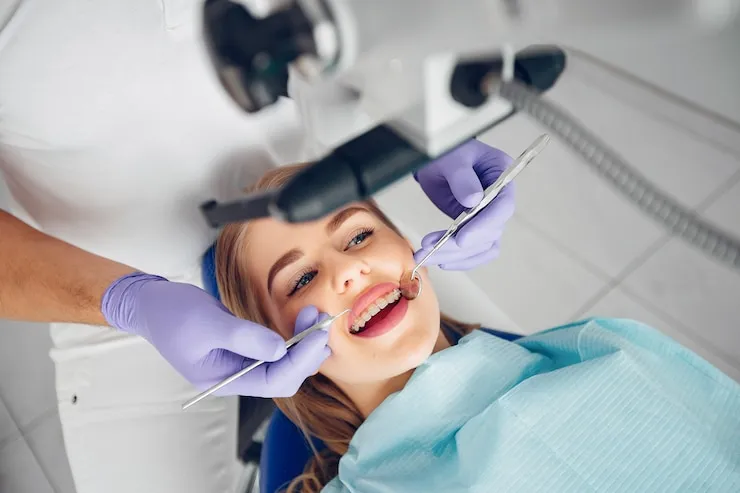
Quick Smile
A quick smile can go a long way in brightening someone’s day, and it’s an excellent way to express positivity and friendliness. However, not everyone feels confident with their smile, which can prevent them from sharing it with others. If you’re looking for ways to improve your quick smile, there are several simple steps you can take. Maintaining good oral hygiene practices like brushing and flossing daily can help prevent tooth decay and gum disease, which can affect the appearance of your smile. If you’re looking for a quick fix, consider using teeth whitening products to enhance the look of your smile. Additionally, practicing good posture, maintaining eye contact, and being confident in your interactions with others can also help you feel more comfortable and natural when smiling. With these tips, you can quickly and confidently share your smile with others, spreading positivity and joy wherever you go.
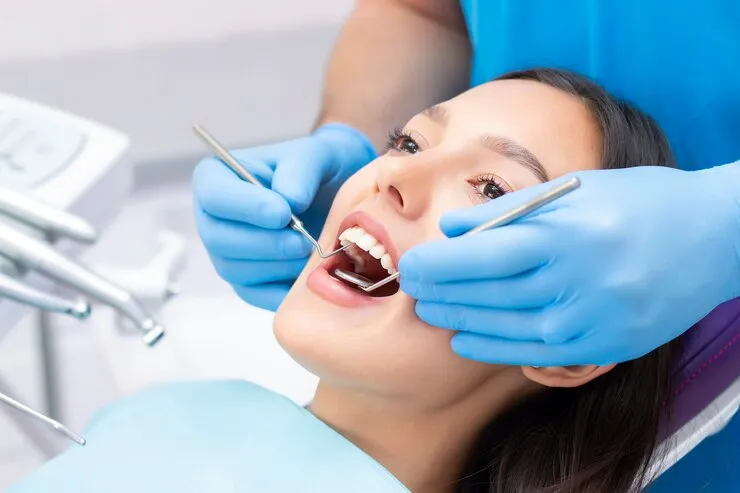
Dental Veneers
Dental veneers are thin, custom-made shells that are bonded to the front surface of teeth to improve their appearance. Veneers can be used to correct a wide range of cosmetic dental problems, including chips, cracks, discoloration, and misalignment. They are made of porcelain or composite resin materials, which are designed to mimic the natural look and feel of teeth. Veneers can be a great option for patients who want to improve the aesthetics of their smile without undergoing more extensive procedures like braces or dental implants.
Cosmetic dentistry encompasses a variety of procedures and treatments that are designed to enhance the appearance of your smile. In addition to veneers, popular cosmetic dental treatments include teeth whitening, dental bonding, and gum contouring. These treatments can be used individually or in combination to create a customized treatment plan that addresses your specific concerns and goals. Cosmetic dentistry can help boost your confidence and self-esteem, improving not just the look of your smile but also your overall quality of life.
If you are considering cosmetic dentistry or dental veneers, it’s important to choose a dentist who has extensive experience and training in these areas. Your dentist will evaluate your oral health and discuss your treatment options with you, taking into account your goals, budget, and timeline. With the right care and maintenance, veneers and other cosmetic dental treatments can provide lasting results, helping you achieve the beautiful, healthy smile you deserve.
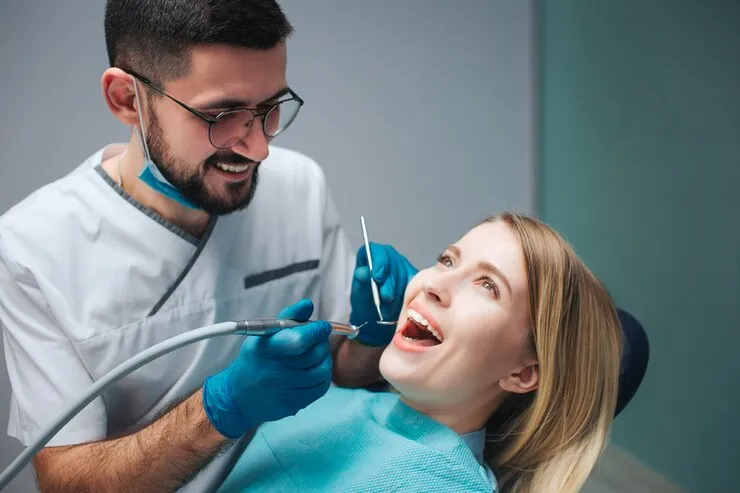
TMJ Disorders and Parafunctional Habits
Are you experiencing persistent jaw pain or discomfort? This might be a sign of Temporomandibular Joint (TMJ) disorders, a condition affecting the joints connecting your jaw to your skull. TMJ disorders can be caused by various factors, such as arthritis, jaw injury, or stress-induced teeth clenching and grinding (parafunctional habits) Or even as simple as misalignment of teeth also known as malocclusion. Parafunctional habits involve repetitive jaw movements beyond regular functions like chewing and speaking. Common symptoms of TMJ disorders include jaw pain or tenderness, clicking or popping sounds when opening or closing the mouth, difficulty in chewing, and even headaches. If you suspect you have a TMJ disorder, it’s crucial to seek professional help promptly. Early diagnosis and proper treatment can alleviate symptoms and prevent the condition from worsening.
Parafunctional habits are detrimental patterns that put excessive strain on the jaw and can lead to TMJ disorders if left unaddressed. Recognizing signs of parafunctional habits can help in managing potential risks. Some of the key symptoms include teeth clenching or grinding, especially during sleep (bruxism), chewing on objects like pens or fingernails, and tongue thrusting. Parafunctional habits are often linked to stress, anxiety, or misaligned teeth, and they can cause not only TMJ disorders but also dental problems like tooth wear, cracks on teeth and sensitivity. Early intervention can significantly improve your quality of life and prevent further complications associated with TMJ disorders and parafunctional habits.